What being part of the IEC means for our charity
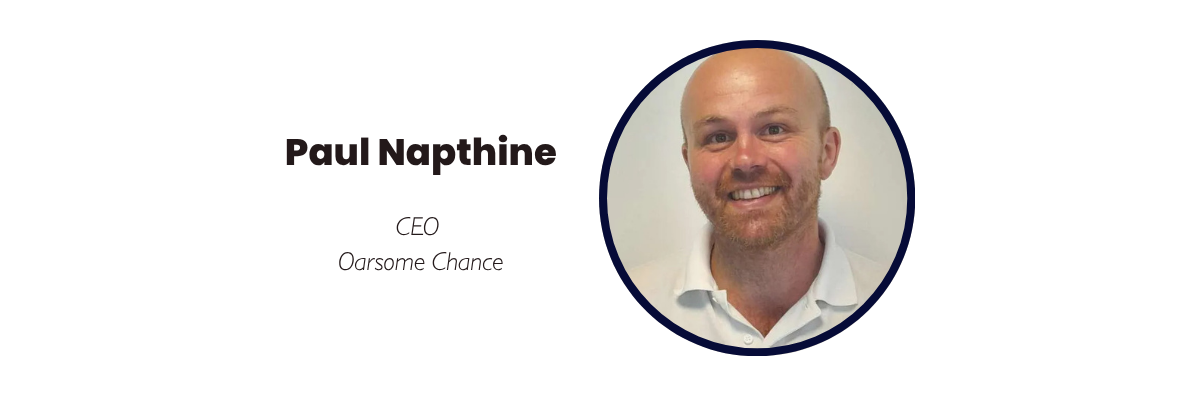
People often ask me what I get from being part of the Inclusive Education Community (IEC). For me, the answer is often quite simple and doesn't need to be overcomplicated. It's a sense of belonging. Belonging to something with people who share a genuine commitment to bringing about change.
In the role I hold, it can often feel isolating and, because of the way we operate as a charity, Oarsome Chance, as an Alternative Education charity, can sometimes sit on the fringes of a number of sectors. We strive to create a sense of safety and belonging for the young people and families we support, so it goes hand in hand that we would want the same for our organisation and for the people who work with us. That includes me. There often has to be a tangible reason for joining a network like this, but in truth, creating a sense of belonging and being part of a team of organisations is one of the most valuable things a small charity can achieve.
Although people often ask what I get from being part of the IEC, the truth is that what began as a personal sense of belonging has become something much bigger for Oarsome Chance as an organisation. The relationships, opportunities and learning we've gained have strengthened not only our charity but, ultimately, the support we are able to offer young people and their families.
That said, the network has offered far more than just a sense of belonging. There have been some genuinely tangible benefits for us at Oarsome Chance. I think it's fair to say that we have thrown ourselves into the community, and I believe that's important. I see this network as something that is mutually supportive, not simply about what we can gain from it. The community is strongest when members are able to contribute their own experience as well as draw on the experience of others. The foundation of that has been built on a number of really strong relationships with both the team leading the IEC and the partners around the table. We share the same values and a common desire to improve outcomes for children and families.
Some of the relationships we have developed through the IEC have grown into genuine partnerships and tangible pieces of work. Through signposting within the network, we have received direct funding, although that was never the reason we joined. We didn't enter the community to secure funding. We joined because we wanted connection, a sense of being part of a team, opportunities to learn, and ultimately to become better at serving the young people and families we are fortunate to support.
Currently, we are working with another member organisation to develop a bespoke training programme focused on restorative conversations with young people around protected characteristics. The aim is to help young people understand the impact their words can have on others while creating space for honest, non-judgemental conversations. It's been a fantastic example of organisations learning alongside one another. We've learned from them, and they've learned from us.
We've also had valuable conversations with other IEC members about impact measurements and the different approaches organisations are taking. I think you know when a network or community is working well because the real conversations happen outside the formal meetings. The meetings themselves are important, but what has been particularly valuable are the face-to-face sessions. Getting people away from the workplace matters. The "meerkat moments", when people look up from their immediate work and notice what others are doing, matter. Too many networks now default to meeting online. This community hasn't. We build relationships around the water cooler, during coffee breaks, and over conversations about holidays and family life. We often say that relationships are the foundation of good youth work. We don't lose that human need simply because we become adults. I genuinely enjoy spending time with the other members of the IEC. We're becoming a community in our own right, and I believe that sense of community will allow us to achieve even more in the future.
Looking ahead, my hope is for more of the same. Change is coming, and change can be daunting. It's far less daunting when you have people you trust to ask the "silly" questions, test an idea with, or seek advice from.
I also hope we continue working towards a shared approach to demonstrating our collective impact. We are all working with brilliant young people and incredible families, each in our own way, and that's a strength. Together, the organisations within the IEC have considerable reach and experience. The challenge is to build a shared picture that recognises the distinct contribution of each organisation while also showing what becomes possible through the relationships, learning and collaboration between us. Collectively, we each hold pieces of the jigsaw when it comes to helping families and young people navigate increasingly complex systems. I will continue to support and champion ways in which we can demonstrate both our individual contributions and the collective impact of our work.
Being part of the IEC has been one of the most rewarding pieces of work we have been involved in over the last few years. I had no idea, when we first joined, what it would become. Establishing the community took vision and courage from the Wates Family Enterprise Trust and the CSJ. At a time when many organisations have become increasingly risk-averse, they chose to invest in relationships and collaboration. I believe that risk has paid off. The community hasn't just connected individuals; it has connected organisations across counties, regions and countries. Long may that continue.
The IEC blog provides a platform for a range of voices and perspectives. The views expressed are those of the individual author and should not be taken as representing the official views of the Community.